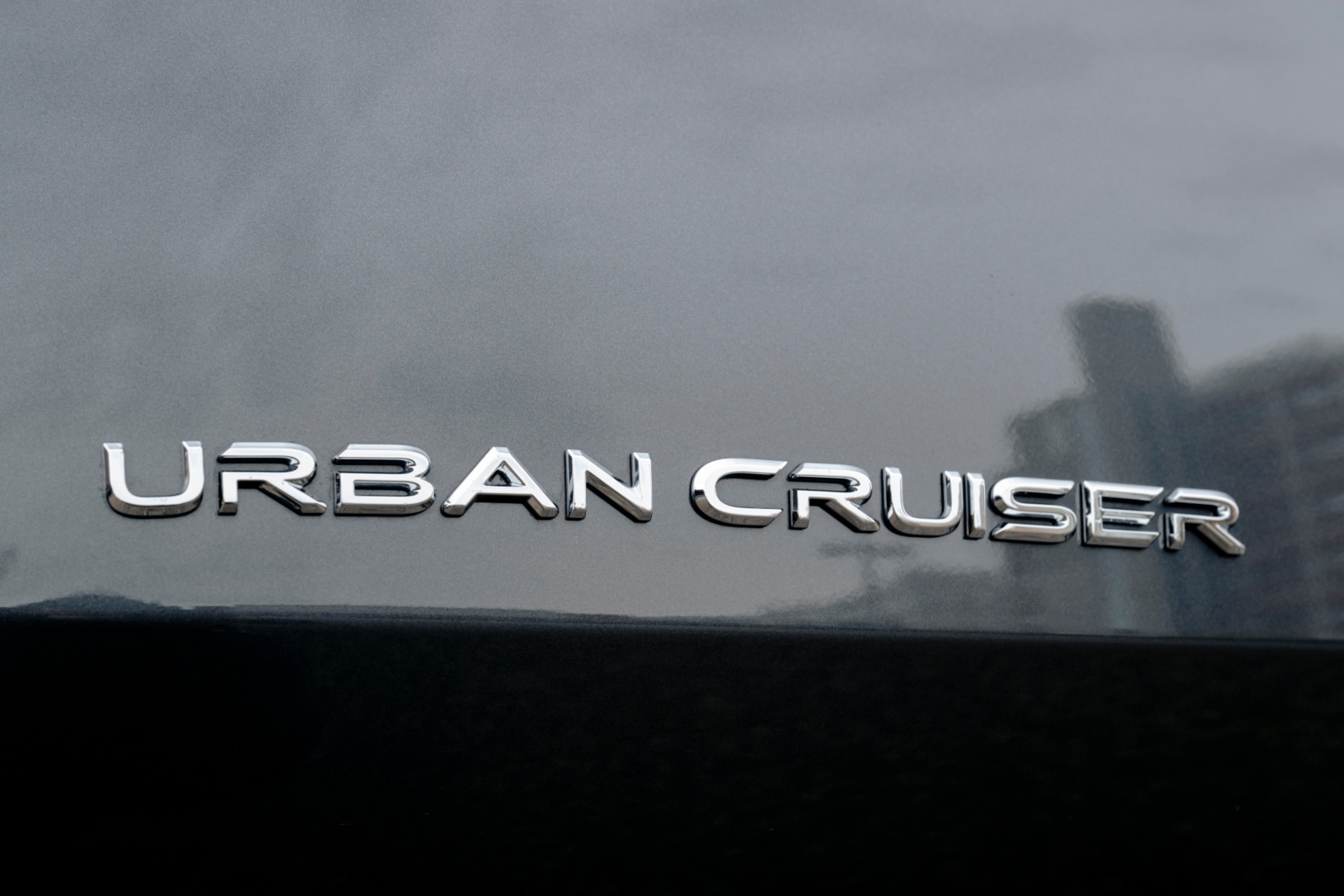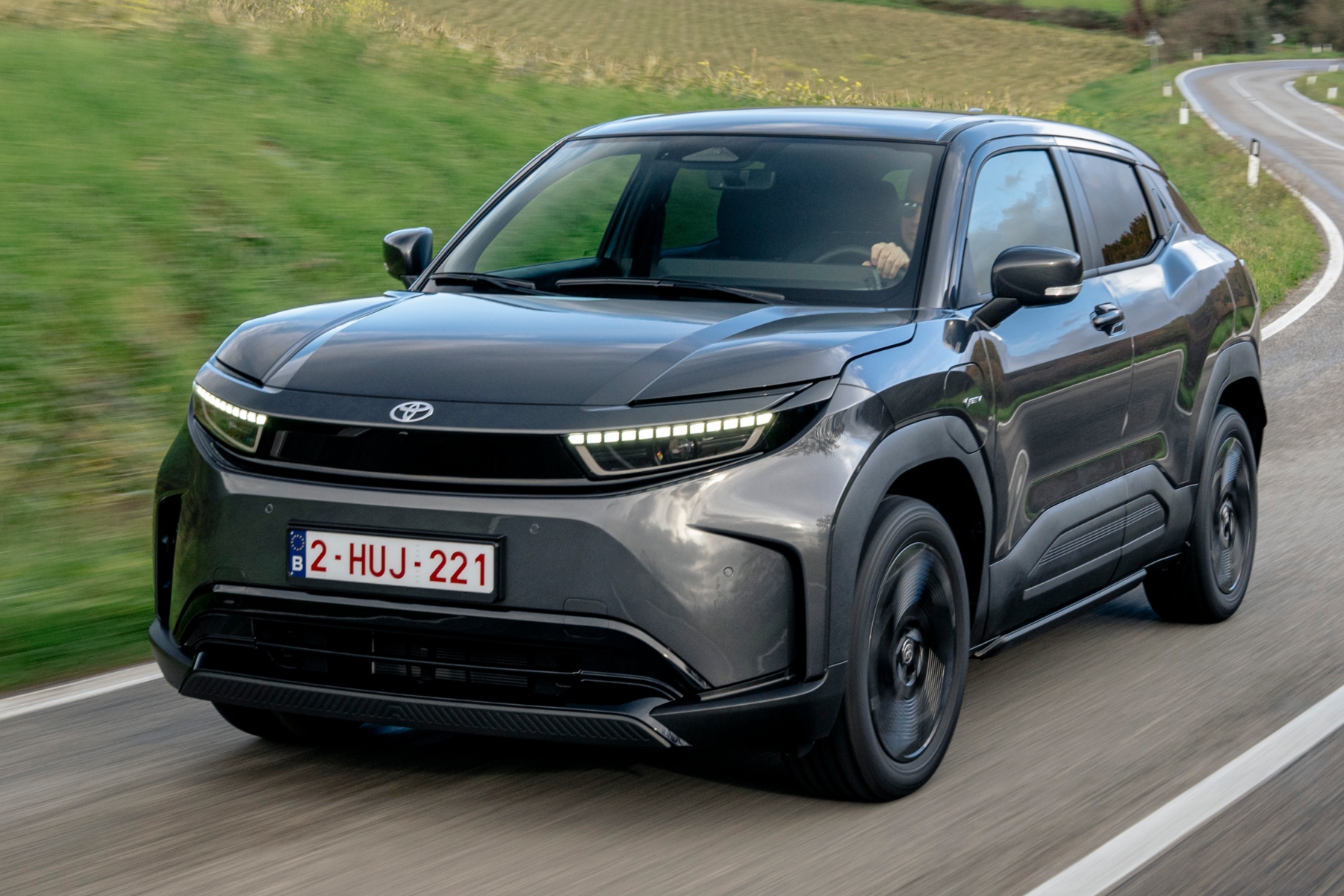
We get to grips with Toyota’s first electric compact SUV, which slots in below the larger bZ4X
Developed alongside the Suzuki e Vitara, the Toyota Urban Cruiser enters a fiercely competitive sector where rivals include the Ford Puma Gen-E, Renault 4, Kia EV3, Citroën e-C3 Aircross, Vauxhall Frontera Electric and Fiat 600e.
Priced from £29,995 with three trim levels (Icon, Design and Excel), the Urban Cruiser revives a name last used between 2009-12 on a virtually forgotten jacked-up Yaris.
It’s remarkable to think that the 2025 Urban Cruiser is only the Japanese giant’s second EV, but then, Toyota’s rightly been hedging its bets with a parallel hybrid model line-up.
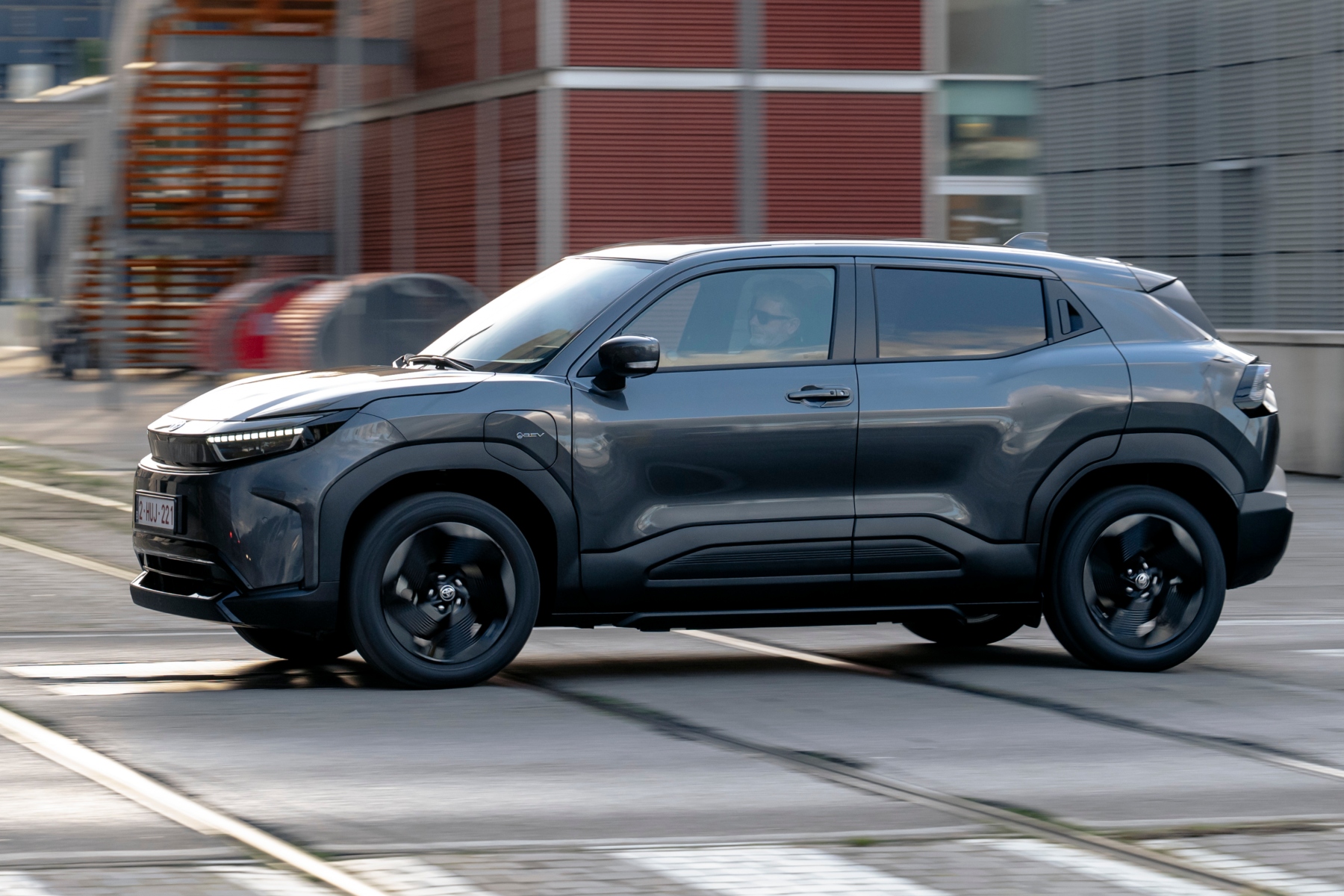
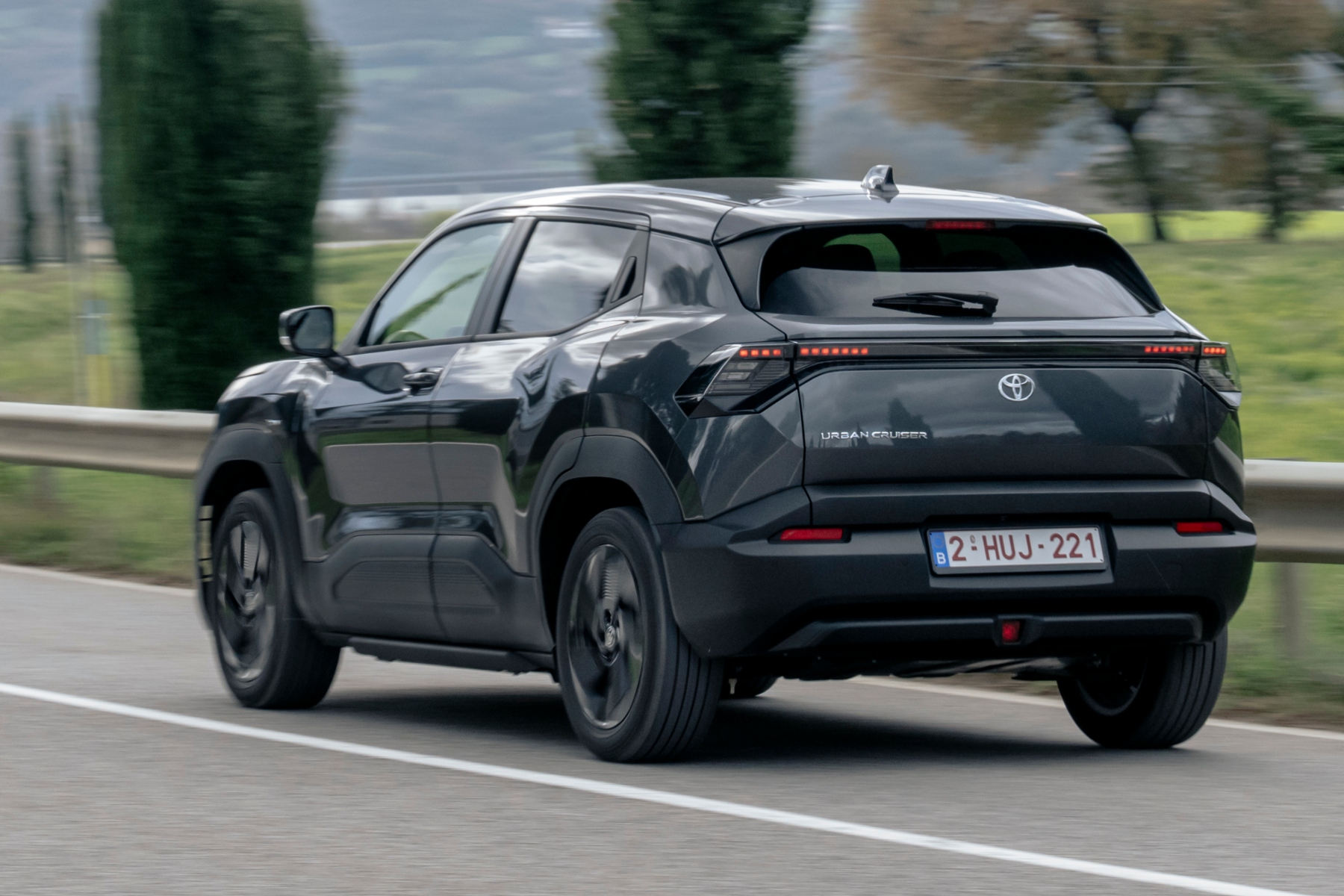
It certainly looks the part with chunky SUV styling and purposeful stance, featuring the brand’s signature ‘hammerhead’ front end and a full-width black strip at the back incorporating wraparound rear lights.
The side profile has chunky sculpted plastic body mouldings, hidden rear door handles for a sleeker look, and square-shaped wheel arches.
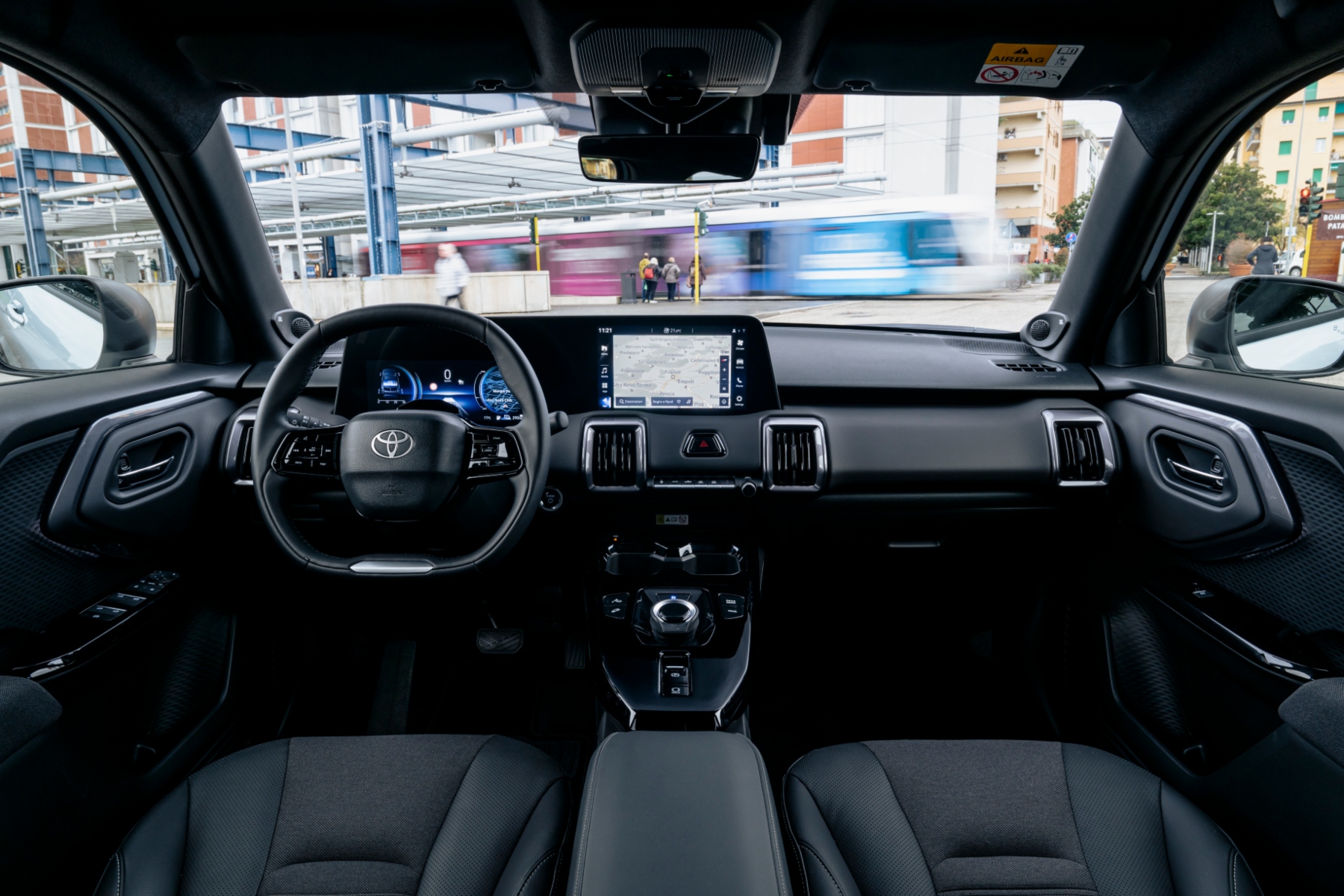
Inside, the packaging exploits the car’s long wheelbase to provide a surprisingly spacious interior, complete with commanding driving position and a clever sliding rear seat system which gives rear passengers extra space.
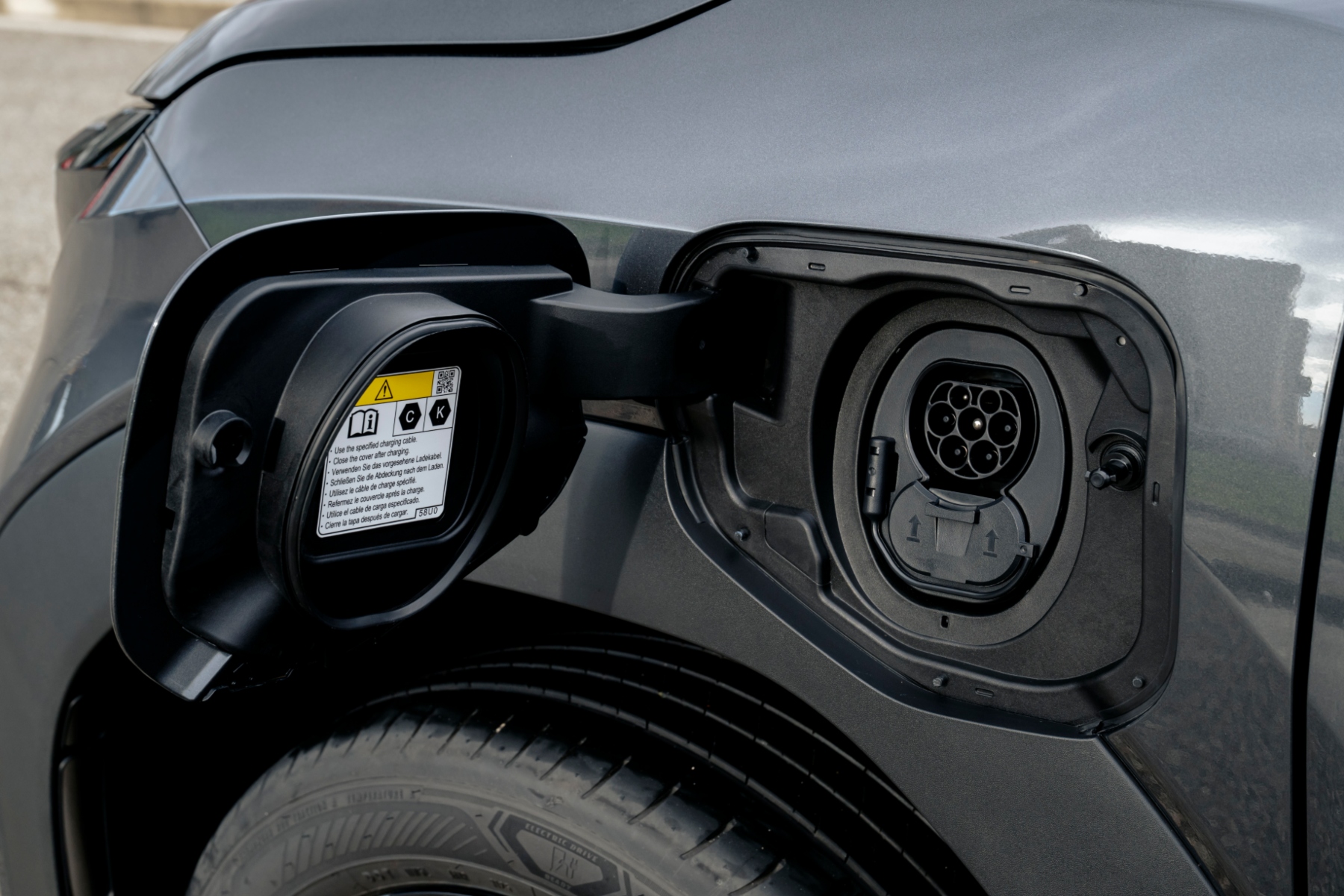
There are two battery options (49Kwh and 61kWh). The former, which is featured in the entry level Icon model, has an output of 141bhp and a claimed range of up to 213 miles.
The 61kWh battery pack, fitted as standard in the Design and Excel versions, delivers 171bhp and a range of up to 264 miles. Drive is via the front wheels on both models.
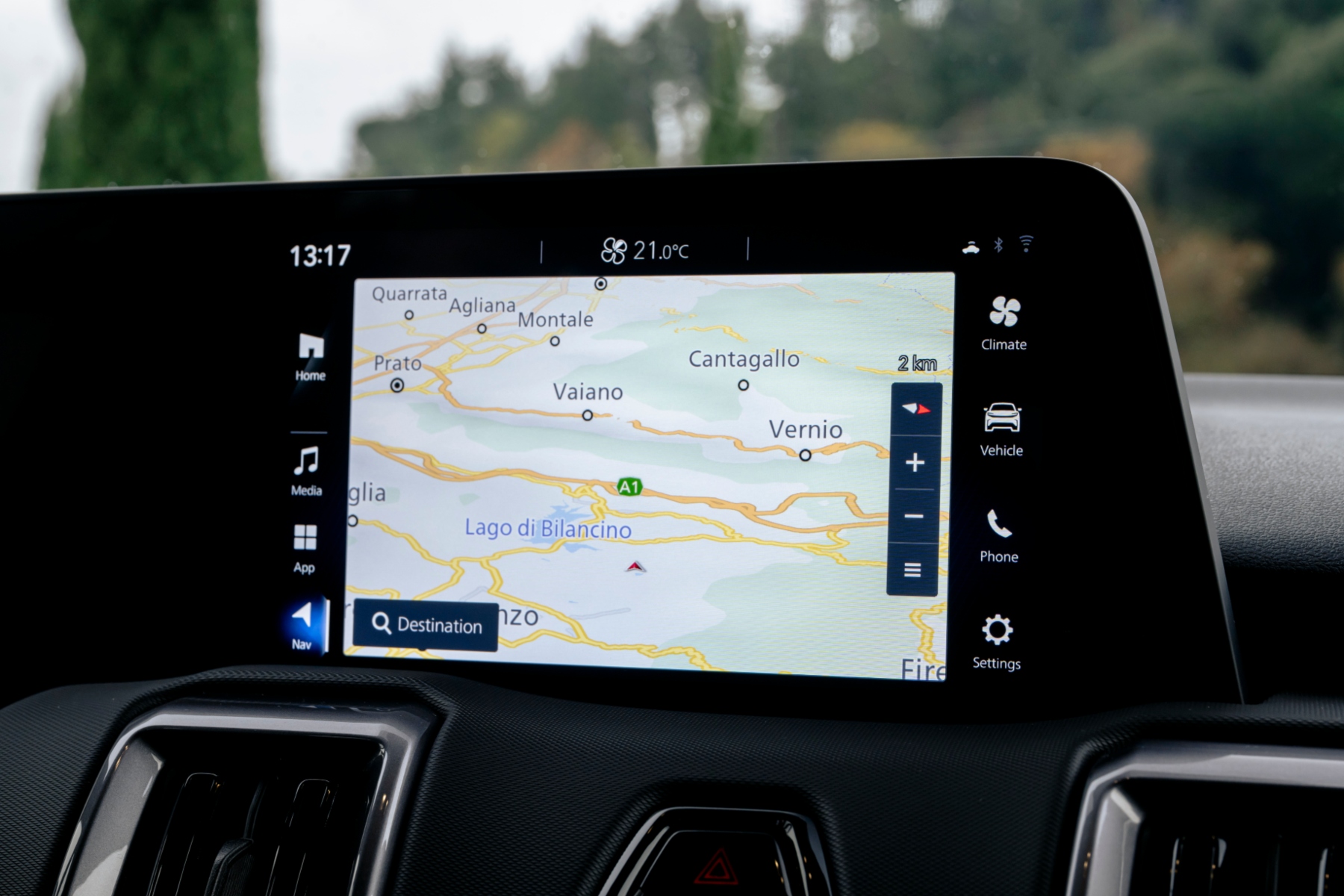
The Urban Cruiser is well equipped. Icon gets 18-inch alloy wheels, a 10.1-inch multimedia display, 10.25-inch digital driver’s display and an energy-saving heat pump. Safety and driving assistance tech includes a blind spot monitor, rear-view camera, adaptive cruise control, and road sign recognition.
Design grade adds heated front seats and steering wheel, auto-retracting heated door mirrors and a windscreen wiper de-icer.
Top of the range Excel features 19-inch alloys, a premium JBL sound system, wireless smartphone charger, a fixed glass sunroof, adaptive LED headlights and high-quality synthetic leather upholstery. A metallic or premium bi-tone paint finish can also be specified.
While it’s hard to fault the Urban Cruiser’s overall build quality and the pleasing clunk from the doors, the interior materials used are nothing to get excited about with soft-touch surfaces in short supply.
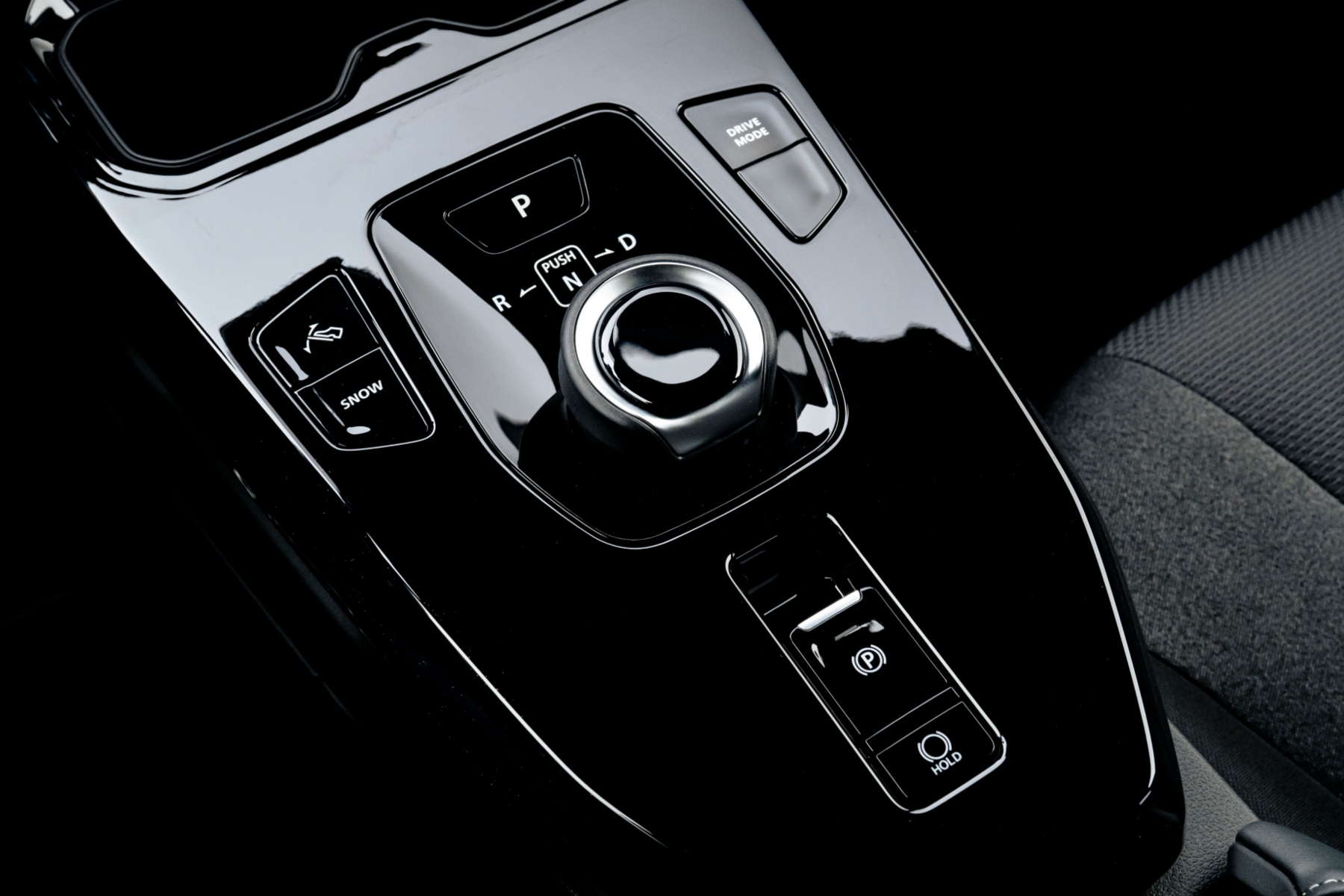
Thankfully, the cabin redeems itself when it comes to space. There’s plenty up front, though a slimmer centre console (it incorporates the gear selector, electronic handbrakes and a couple of switches) might free up a bit of horizontal legroom.
No such problem in the back, where passengers will be able to stretch out, but adults over 6ft might struggle for headroom.
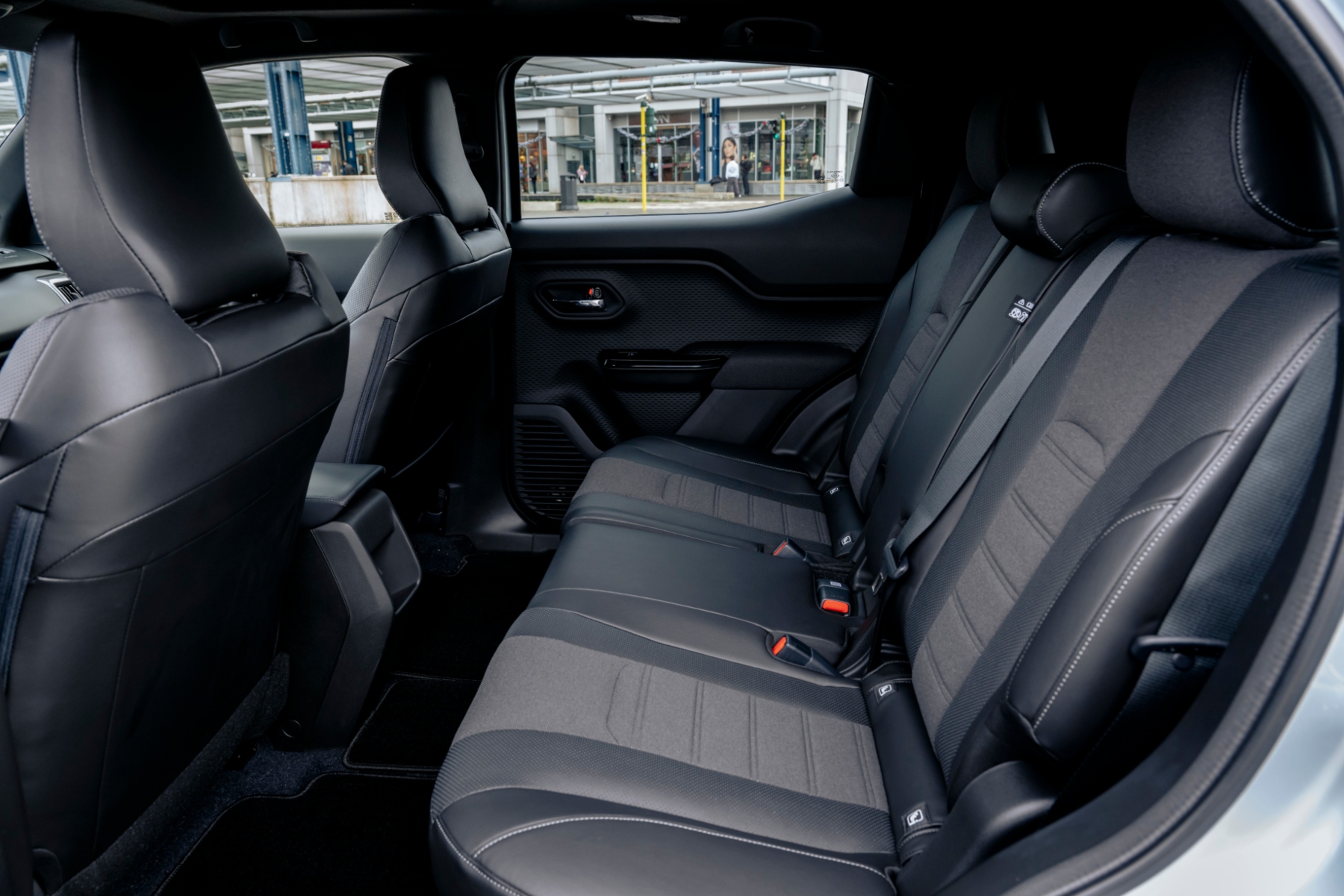
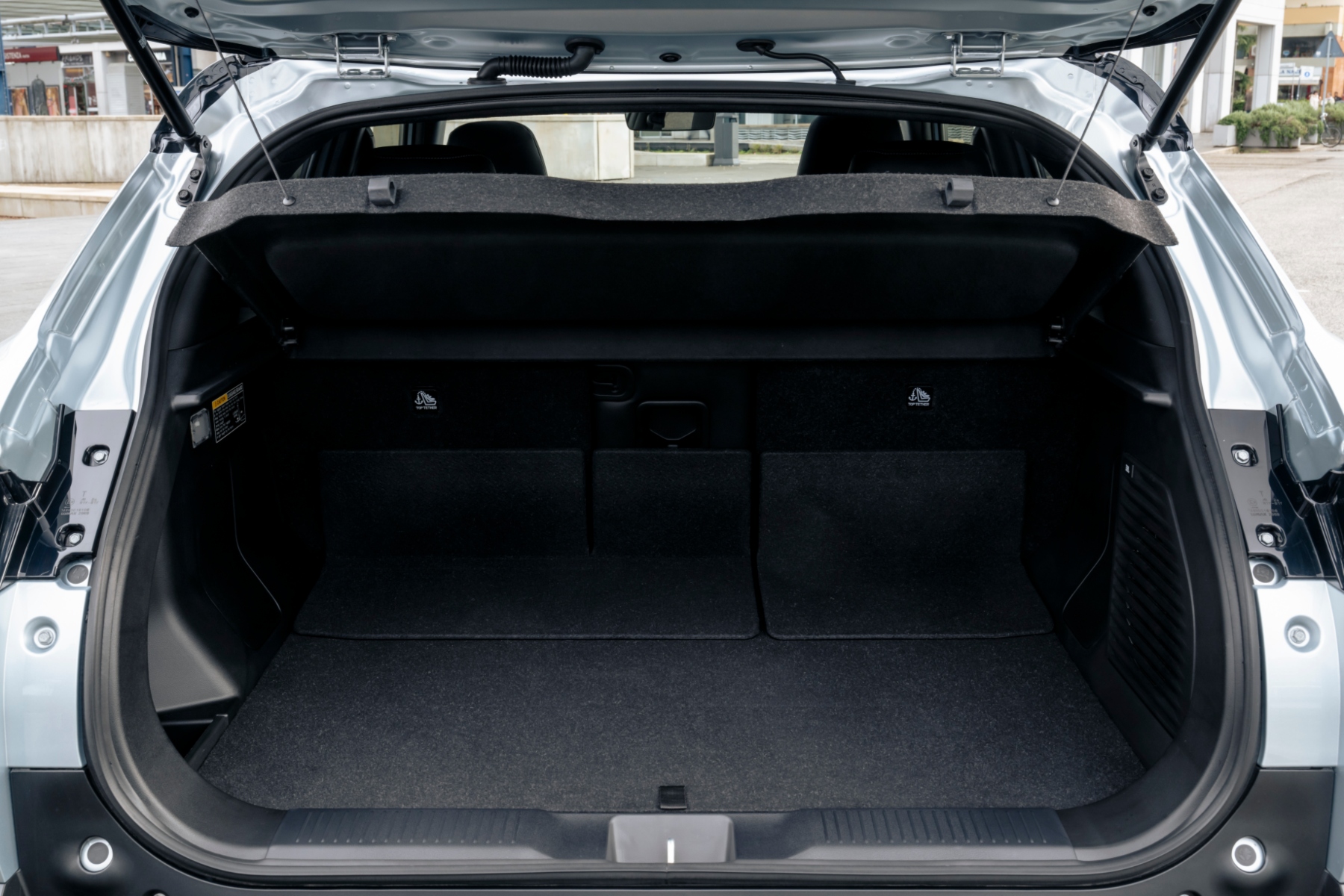
The 244-litre boot capacity is a little disappointing compared to some rivals, so it’s just as well the 40:20:40 split folding rear bench can slide forwards to increase the capacity to 310 litres – and folds flat to offer a 566-litre volume.
All-round visibility is good and the driving position will suit most, though some might prefer a little more downward adjustment.
On the road, the Toyota Urban Cruiser is smooth and refined for the most part, However, the suspension set-up is on the stiff side, so it does have a tendency to thud over poorer surfaces.
The steering is light and direct, and the tight turning circle means that manoeuvring is a doddle.
There are four drive modes (Eco, Normal, Sport, Snow), and as you’d expect, it’s quick off the line (9.6s for the 49Kwh battery and 8.7s for the 61kWh), and it manages to stay fairly flat in more challenging corners.
As ever, Normal delivers the best blend of performance and efficiency, Sport is fun for short bursts, and Eco dulls the driving experience.
The brakes are progressive and there are three levels of regenerative braking available – it’s just a shame that there aren’t adjustment paddles behind the steering wheel.
If you can’t be bothered to tackle the touchscreen, there is a regen button on the centre console, but it is a bit of a blunt instrument and is only useful on steep downhill sections of road or when braking from high speed for a junction, for instance.
Overall grip was good, though it would be nice to have an all-wheel drive option in the UK.
After a day spent driving the 61kWh Urban Cruiser in autumnal mixed driving conditions, we’d estimate a real-world range closer to 210 miles (claimed 264 miles), which is decent, but not class-leading.
Nor is the modest charge speed, which means a 10-80% top-up takes at least 45 minutes, when many of its competitors can do the same job in about half an hour.
On the plus side, the Urban Cruiser comes with a considerable amount of peace of mind, if you’re planning to hold onto the car or buy one second-hand further down the line.
It has a basic three-year, 60,000-mile warranty, but customers can get up to 10 years or 100,000 miles of warranty by getting their cars serviced annually at a Toyota dealership. What’s more, the battery pack is also covered for 10 years, or up to 650,000 miles, with the same caveat.
Verdict: The Toyota Urban Cruiser is a worthy addition to the electric compact SUV scene, but you’re more likely to choose one because of cabin space and the peace of mind it offers, rather than driving engagement and efficiency.