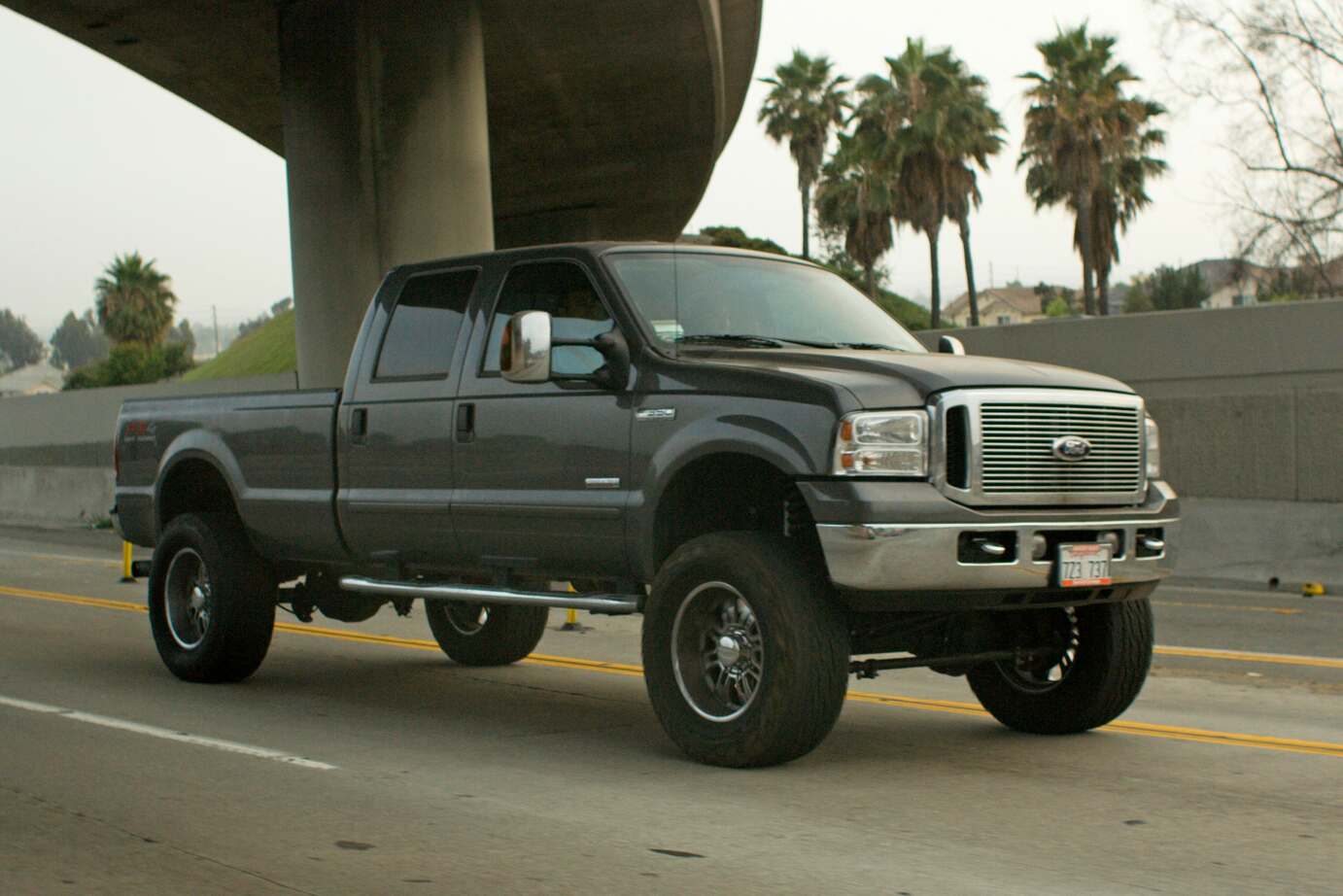
The 6.4 Powerstroke, manufactured between 2008 and 2010, represents one of the most controversial chapters in Ford diesel history. Developed in response to stricter emissions regulations, it became the first Ford diesel to feature a Diesel Particulate Filter (DPF) system. On paper, the 6.4L delivered impressive power figures, but its complex emissions architecture proved to be its Achilles’ heel.
The DPF system, combined with frequent regeneration cycles, caused widespread reliability issues that left many owners frustrated by costly repairs. For those who recognise the engine’s underlying potential, a 6.4 Powerstroke DPF delete has emerged as the definitive solution—transforming this troubled platform into a capable and reliable performer.
This guide explores the DPF system, the benefits of deletion, installation costs, and whether this modification is worthwhile.
Understanding the 6.4 Powerstroke DPF System
The 6.4 Powerstroke DPF is designed to trap and store soot from the engine’s exhaust, preventing it from being released into the atmosphere. Once the filter reaches a certain saturation level, the engine initiates a regeneration cycle by injecting additional fuel into the exhaust system to raise temperatures and burn off accumulated soot.
While this system works in theory, the 6.4L’s regeneration strategy is widely considered problematic. During regeneration, raw fuel is injected into the exhaust, which can wash down cylinder walls and dilute engine oil. Furthermore, the DPF itself creates significant exhaust backpressure, which increases exhaust gas temperatures.
When the system malfunctions—which it frequently does—the result is a truck stuck in limp mode, often requiring repairs costing several thousand dollars.
Why Delete the DPF on 6.4 Powerstroke
Prevent Fuel Dilution
During regeneration cycles, the 6.4 Powerstroke injects raw diesel fuel into the exhaust stream. Some of this fuel can seep past the piston rings and contaminate the engine oil. When oil is diluted with fuel, it loses its lubricating properties, leading to accelerated wear on bearings, camshafts, and turbochargers. Deleting the DPF eliminates regeneration cycles entirely, removing this major threat to engine longevity.
Fuel Efficiency Gains
Regeneration cycles consume additional fuel, reducing overall fuel economy. Beyond regeneration, the DPF creates constant exhaust backpressure, forcing the engine to work harder. Eliminating this restriction typically results in fuel economy gains of 3 to 5 miles per gallon—a significant saving for daily drivers and long-distance travelers.
Improve Horsepower/Torque
A DPF delete transforms the 6.4L’s power delivery. With the restrictive filter removed and proper tuning applied, typical gains range from 50 to 120 horsepower and 100 to 250 lb-ft of torque. The engine becomes free-breathing, responding instantly to throttle input and delivering power across a smoother RPM curve.
Reduced EGTs
High exhaust gas temperatures (EGTs) are a well-known issue on the 6.4 Powerstroke, particularly during towing or aggressive driving. The DPF creates significant backpressure, which traps heat in the exhaust system. Removing the DPF allows exhaust gases to flow freely, substantially lowering EGTs and reducing heat stress on critical components such as pistons, valves, and the turbocharger.
Turbocharger Longevity
The 6.4 Powerstroke features compound turbochargers that are particularly susceptible to carbon buildup and heat damage. Frequent regeneration cycles and elevated EGTs accelerate turbo wear. By removing the DPF and eliminating regenerations, owners typically experience significantly longer turbocharger life.
6.4 Powerstroke DPF Delete Kits Installation
Required Tools
DPF delete installation requires a basic set of automotive tools, including sockets, wrenches, a reciprocating saw or exhaust cutter, jack stands, and safety equipment. A quality tuner is also required to reprogram the ECU after installation.
Steps Involved
The installation process begins with safely lifting and supporting the vehicle. The factory DPF assembly is removed from the exhaust system, which may involve cutting or unbolting, depending on the existing configuration. A DPF delete pipe, like a 4-inch DPF delete pipe for 2008-2010 Ford 6.4, replaces the factory filter, providing a straight-through exhaust path. Oxygen and pressure sensors are either removed or relocated as needed.
After the hardware is installed, a tuner is used to upload a calibration file that disables DPF regeneration, eliminates trouble codes, and optimizes fuel mapping for the new exhaust setup. For experienced installers, the entire process typically takes two to four hours.
Pairing 6.4 Powerstroke DPF Delete with Tuners
A DPF delete cannot be performed without tuning. The 6.4L ECU monitors DPF pressure sensors and regeneration cycles; without proper tuning, the truck will immediately enter limp mode and display a check engine light. A 6.4 Powerstroke DPF delete with tuner provides the necessary calibration to disable these functions while unlocking the engine’s true potential.
Quality tuners offer multiple power levels, allowing owners to choose between fuel-economy, towing-optimized, or performance-optimized calibrations. Advanced tuners also provide real-time monitoring of critical parameters such as exhaust gas temperature, boost pressure, and transmission temperature.
Combining a delete pipe with a quality tuner delivers reliable operation, enhanced performance, and elimination of emissions-related failures.
Maintenance After 6.4 Powerstroke DPF Delete
After a DPF delete, maintenance practices should be adjusted to maximize engine longevity. Oil changes should be performed more frequently—every 5,000 miles rather than the factory-recommended 7,500—to account for the absence of regeneration heat cycles that previously helped burn off contaminants. High-quality diesel fuel and periodic fuel additive treatments help keep injectors healthy.
If the EGR system is retained, it must be cleaned regularly or deleted to prevent carbon buildup. Exhaust gas temperatures should be monitored regularly during heavy towing to ensure the engine is not operating under excessive stress.
Owners should also keep their tuner accessible to monitor engine parameters and clear any diagnostic trouble codes that may arise from other vehicle systems.
Is the DPF delete for the 6.4 Powerstroke Worth it?
For owners who rely on their 6.4 Powerstroke for daily driving, towing, or work, the answer is a resounding yes. The 6.4L is an engine with strong mechanical potential, held back by a poorly designed emissions system. A properly executed DPF delete not only eliminates the most common failure points—fuel dilution, regeneration-related damage, excessive EGTs, and turbocharger issues—but also delivers significant gains in power, fuel economy, and drivability.
The upfront investment in quality parts and professional tuning is typically recouped through avoided repairs and long-term fuel savings. However, owners must consider the legal implications, as DPF deletion violates federal emissions regulations and may affect warranty coverage.
For those willing to accept these trade-offs, a 6.4 Powerstroke DPF delete represents the single most effective upgrade available for transforming this troubled diesel into a reliable, powerful, and enjoyable truck for years to come.